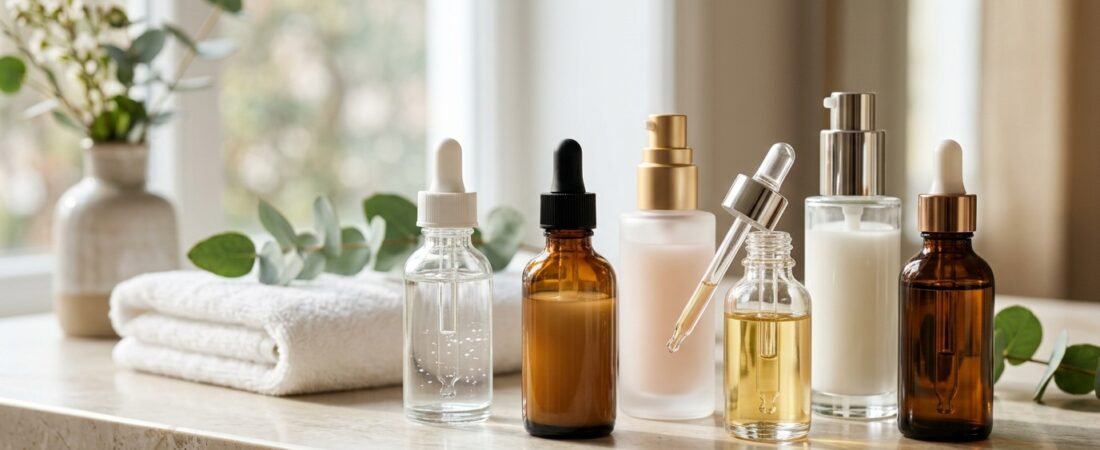
A good face serum can be a useful addition to almost any skincare routine. These lightweight products are designed to deliver specific ingredients to the skin, whether your main concern is dryness, dullness, excess oil, or visible signs of aging.
The best part is that you do not need to spend a fortune. There are plenty of face serums under $50 that contain popular skincare ingredients and can fit easily into a simple routine.
The key is choosing a formula based on what your skin actually needs rather than buying something simply because it is trending.
What Is a Face Serum?
A serum is usually a lightweight skincare product containing concentrated ingredients designed to target a particular concern.
Unlike a traditional moisturizer, a serum is often used for a specific purpose. For example, hyaluronic acid serums are commonly used for hydration, while vitamin C products are often used to support a brighter-looking complexion.
Serums can be water-based, gel-like, or slightly creamy depending on their ingredients and formulation.
Best Face Serums Under $50
1. The Ordinary Hyaluronic Acid 2% + B5
The Ordinary Hyaluronic Acid 2% + B5 is a straightforward option for people looking to add hydration without spending much money.
Hyaluronic acid is a humectant that helps attract water. This makes it a popular ingredient in products designed for dry or dehydrated-feeling skin.
The simple price point also makes it a useful choice for someone who is just beginning to build a skincare routine.
Best for: Hydration
Typical price: Under $20
2. CeraVe Hydrating Hyaluronic Acid Serum
CeraVe Hydrating Hyaluronic Acid Serum combines hyaluronic acid with ceramides and other moisturizing ingredients.
CeraVe is widely associated with barrier-focused skincare, and this serum can fit well into a basic routine for people whose skin feels dry or tight.
It has a lightweight texture and can be used before moisturizer.
Best for: Dry and dehydrated skin
Typical price: Under $25
3. Good Molecules Niacinamide Serum
Niacinamide is one of the more common ingredients found in products designed for oily or uneven-looking skin.
Good Molecules offers a simple niacinamide serum at a relatively low price, making it accessible if you want to try the ingredient without making a large investment.
It can work well as part of a simple routine, particularly for people who prefer lightweight products.
Best for: Oily and uneven-looking skin
Typical price: Under $15
4. Naturium Vitamin C Complex Serum
Vitamin C is commonly used in morning skincare routines because of its antioxidant properties.
Naturium offers vitamin C formulas designed to improve the appearance of dullness and uneven skin tone.
If brightening is your main goal, this type of serum may be worth considering. Vitamin C products can vary considerably, so always follow the manufacturer’s storage and application instructions.
Best for: Dull-looking skin
Typical price: Under $30
5. La Roche-Posay Hyalu B5 Serum
La Roche-Posay’s Hyalu B5 serum focuses on hydration and a smoother-looking complexion.
It can be useful for people who prefer a more premium skincare formula while still keeping the purchase below the $50 range.
Pricing can vary depending on the retailer and size, so it is worth checking the current price before buying.
Best for: Hydration and smoother-looking skin
Typical price: Under $50
How to Choose a Face Serum
The best serum depends on your skin concern.
If your skin feels dry, look for hydrating ingredients such as hyaluronic acid.
If you deal with excess oil, a lightweight niacinamide serum may be a better fit.
For dull-looking skin, vitamin C and other antioxidant-focused formulas are common choices.
If you are interested in anti-aging skincare, ingredients such as retinoids may be worth researching, although they can be stronger than basic hydrating serums.
How to Use Face Serum
A basic skincare routine can be very simple.
Cleanser → Serum → Moisturizer → Sunscreen
Apply serum after cleansing and before moisturizer unless the product directions recommend something different.
You generally only need a small amount. Applying more product does not necessarily produce better results and may sometimes increase irritation.
Can You Use Two Serums Together?
You can, but beginners should avoid making their routine unnecessarily complicated.
Combining several active ingredients can sometimes lead to irritation. If you are introducing a new product, starting with one serum makes it easier to understand how your skin responds.
Once you know your skin tolerates it, you can decide whether another product is actually needed.
Common Serum Mistakes
One common mistake is buying a serum based only on its popularity.
Another is using too many active ingredients at the same time.
It is also easy to forget that a serum is only one part of a skincare routine. Moisturizer and daytime sunscreen can be just as important depending on your needs.
Always read the product instructions and introduce stronger active ingredients gradually.
Frequently Asked Questions
What is the best serum under $50?
There is no single best serum for everyone. The right choice depends on whether you need hydration, brightening, oil control, or another specific benefit.
Can I use serum every day?
Many serums can be used daily, but the frequency depends on the ingredients. Follow the product instructions.
Should serum go before moisturizer?
Generally, yes. Serum is usually applied after cleansing and before moisturizer.
Is hyaluronic acid good for dry skin?
Hyaluronic acid is commonly used in hydrating skincare and can be useful for skin that feels dry or dehydrated.
Do expensive serums work better?
Not necessarily. Ingredient quality, formulation, concentration, and how well the product suits your skin are more important than price alone.
Final Thoughts
Finding a useful face serum under $50 is completely possible. Affordable brands offer formulas containing many popular skincare ingredients, from hyaluronic acid to niacinamide and vitamin C.
Rather than buying several products at once, start with the main concern you want to address. Choose a formula that fits your routine, introduce it gradually, and give your skin time to respond.
A simple routine with the right products can be much easier to maintain than a shelf full of products that you rarely use.